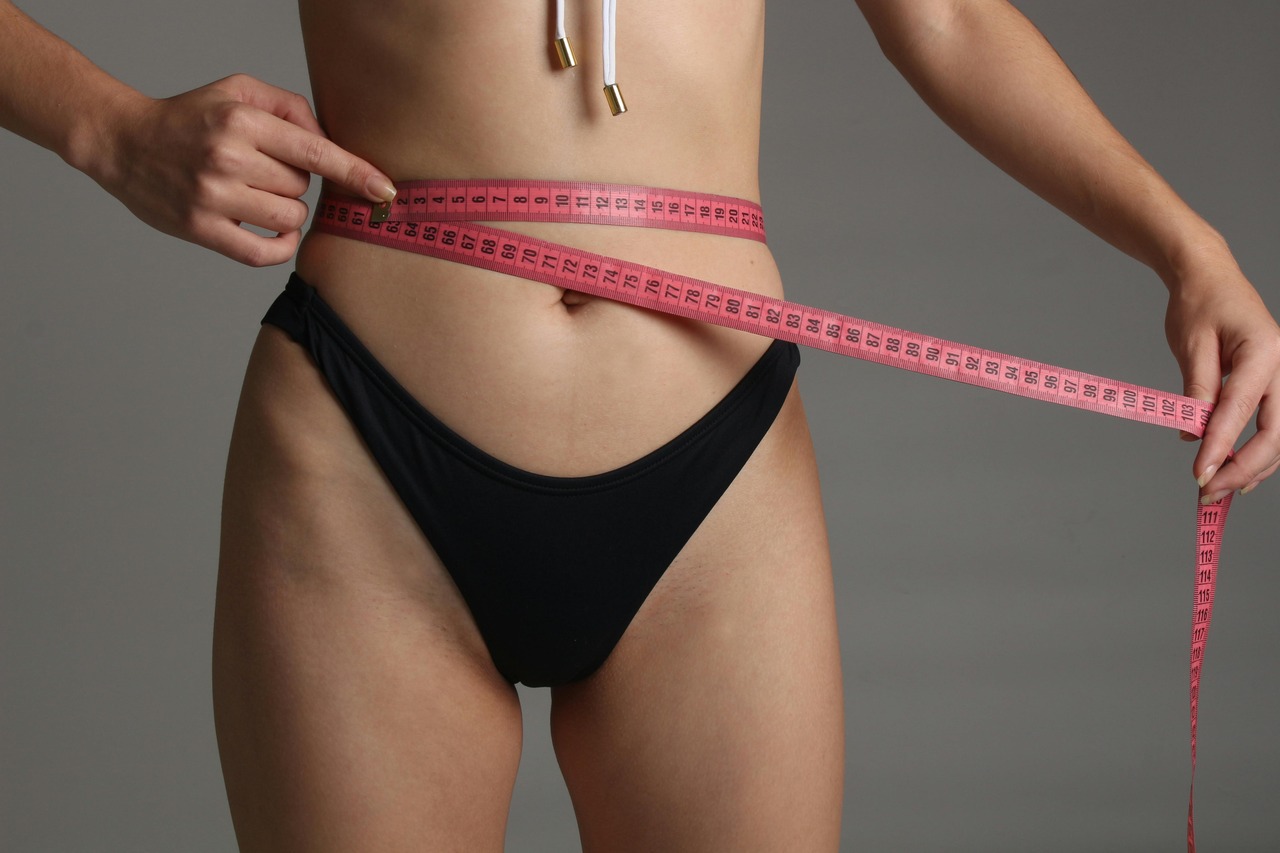

For many individuals—especially postpartum women—persistent abdominal bulging can feel frustrating, even after diet and exercise efforts. The challenge lies in identifying whether that bulge is caused by diastasis recti, excess belly fat, or both. These conditions may look similar, but they differ in causes, symptoms, and treatment. Knowing the difference is key in determining whether it’s time to consider a surgical solution like a tummy tuck.
What Is Diastasis Recti?
Diastasis recti occurs when the rectus abdominis muscles (the “six-pack” muscles) separate along the midline of the abdomen. This condition is most commonly associated with pregnancy, but it can also develop in men and women due to significant weight fluctuations or improper abdominal workouts.
Key Characteristics:
- Visible or palpable midline bulge when sitting up or coughing
- Core weakness or instability
- Poor posture and lower back pain
- Difficulty engaging core during exercise
- Flat or flared ribs above a protruding belly
This separation doesn’t resolve on its own in many cases, especially when it becomes severe. And while targeted physical therapy may help mild cases, moderate to severe diastasis recti may require surgical correction.
What Is Belly Fat?
Unlike muscle separation, belly fat refers to excess adipose tissue stored around the midsection. There are two types:
- Subcutaneous fat: Just beneath the skin, often soft and pinchable.
Visceral fat: Deeper fat around organs, typically associated with metabolic issues.
Belly fat is generally managed through a combination of diet, strength training, cardiovascular exercise, and lifestyle changes. However, stubborn fat may persist due to age, hormones, or genetics—even in individuals with an otherwise healthy weight.
Diastasis Recti vs. Belly Fat: How to Tell the Difference
While both conditions can make the stomach appear enlarged, they manifest differently. Here’s a side-by-side breakdown:
| Feature | Diastasis Recti | Belly Fat |
| Cause | Muscle separation | Fat accumulation |
| Feel | Firm ridge or gap, especially when tensing | Soft or thick all over |
| Appearance | Cone-shaped or bulging midline | Round, even fullness |
| Core Strength | Weak, unstable core | Often unaffected |
| Posture Impact | May contribute to poor posture | Rarely affects posture |
| Improves with exercise? | Not always | Often yes |
| Diagnosis | Physical exam or ultrasound | Body composition testing |
Signs It May Be Time for a Tummy Tuck
A tummy tuck (abdominoplasty) isn’t a weight loss procedure—it’s a surgical solution for addressing excess skin, fat, and in many cases, repairing diastasis recti. Here’s when it might be the right choice:
1. Core Exercises Aren’t Making a Difference
If consistent training doesn’t reduce abdominal bulging or improve core strength, the issue may be muscular—not fat-related.
2. You’ve Completed Pregnancy or Major Weight Loss
Postpartum individuals or those who have undergone significant weight loss often struggle with stretched skin and separated muscles that won’t bounce back on their own.
3. You Have Physical Discomfort
Lower back pain, hernia-like symptoms, and poor posture associated with diastasis recti can affect daily life. Surgical correction can improve both function and comfort.
4. There’s a Mix of Concerns
Some individuals have both excess fat and muscle separation. A tummy tuck addresses both by removing loose skin and fat while tightening the underlying abdominal wall.
If this sounds familiar, you can explore detailed surgical options and candidacy considerations for tummy tuck surgery in San Diego here.
What a Tummy Tuck Can (and Can’t) Fix
Understanding what the procedure is designed to address will help clarify its role in your treatment plan.
A Tummy Tuck Can:
- Repair diastasis recti
- Remove excess skin (especially after pregnancy or weight loss)
- Improve waistline definition
- Eliminate some stretch marks (usually those below the belly button)
- Enhance posture and core strength
A Tummy Tuck Cannot:
- Replace weight loss efforts
- Remove deep internal visceral fat
Prevent future weight gain or pregnancy-related changes
This is why the procedure is best suited for those who are near their ideal weight, but unable to achieve flatness or tone due to structural concerns.
Common Myths That Create Confusion
Misunderstandings around diastasis recti and belly fat can delay treatment or lead to ineffective strategies. Let’s clear up a few:
- “I just need to lose more weight.”
If diastasis recti is the root issue, weight loss alone won’t close the muscle gap. - “If I do enough crunches, it’ll go away.”
Crunches may worsen diastasis in some cases. Proper core rehab or surgery is required for moderate to severe cases.
“Tummy tucks are just for looks.”
While cosmetic benefits are undeniable, the procedure also improves functional concerns like core strength and back support.
How to Get Diagnosed Properly
An accurate diagnosis is essential. If you’re unsure whether your belly bulge is due to fat, diastasis recti, or both, consider:
- Self-check: Lie on your back with knees bent and gently lift your head. If a bulge appears in the center, it may indicate separation.
- Physical therapy evaluation: Some specialists can assess mild cases and recommend conservative treatment.
- Surgical consultation: For more persistent concerns, a board-certified plastic surgeon can confirm diagnosis and discuss whether surgery is appropriate.
Final Thoughts
If your midsection no longer reflects your effort or health, it’s worth investigating the underlying cause. Differentiating between diastasis recti and belly fat helps avoid unnecessary guesswork and ineffective solutions.
A tummy tuck can be a medically appropriate and aesthetically powerful procedure for those with muscle separation, loose skin, or persistent abdominal bulging. With the right information and evaluation, you can make a confident decision about the next step in your journey.